
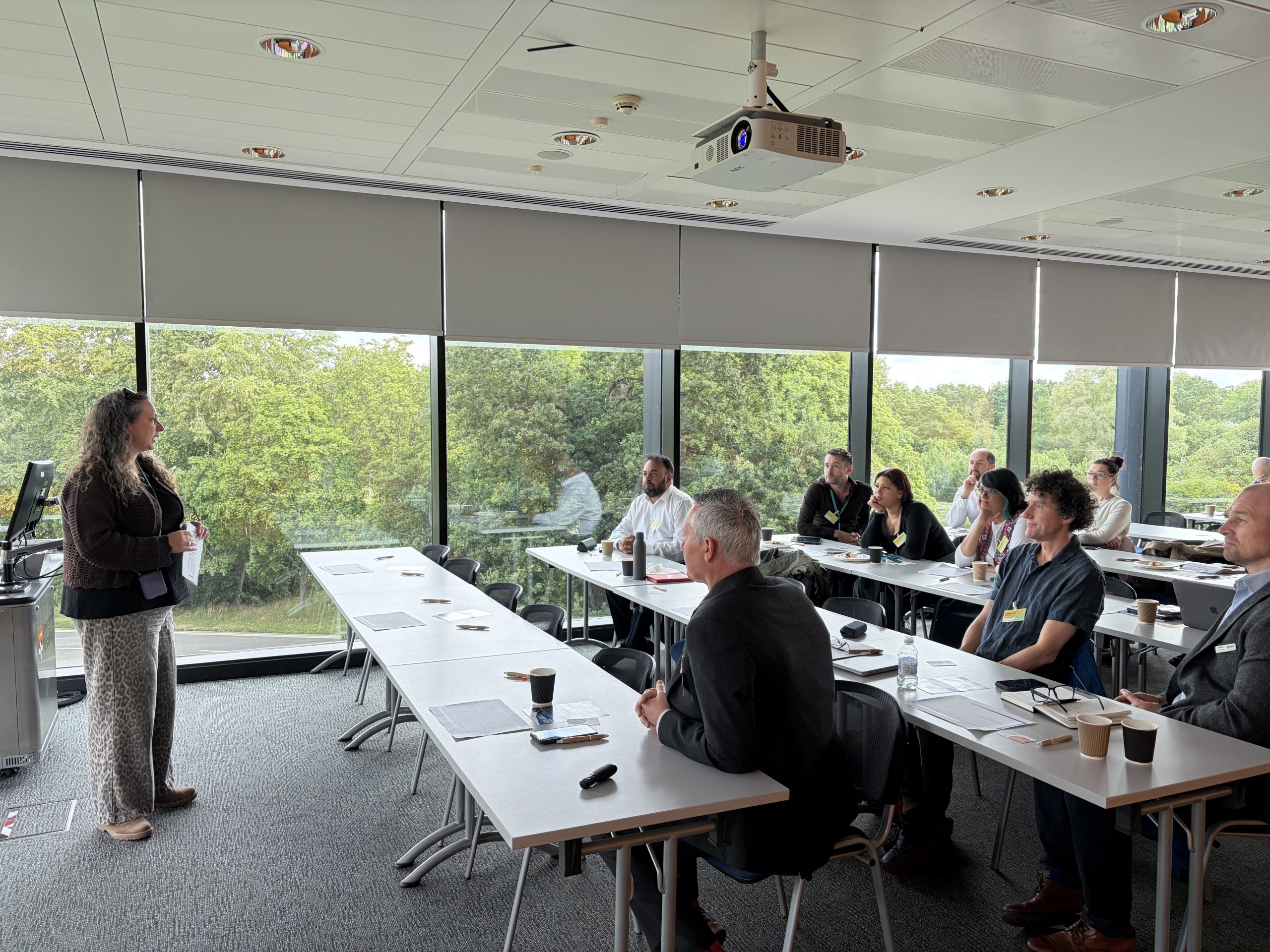
Creative Industries Workforce Development Partnership Meeting
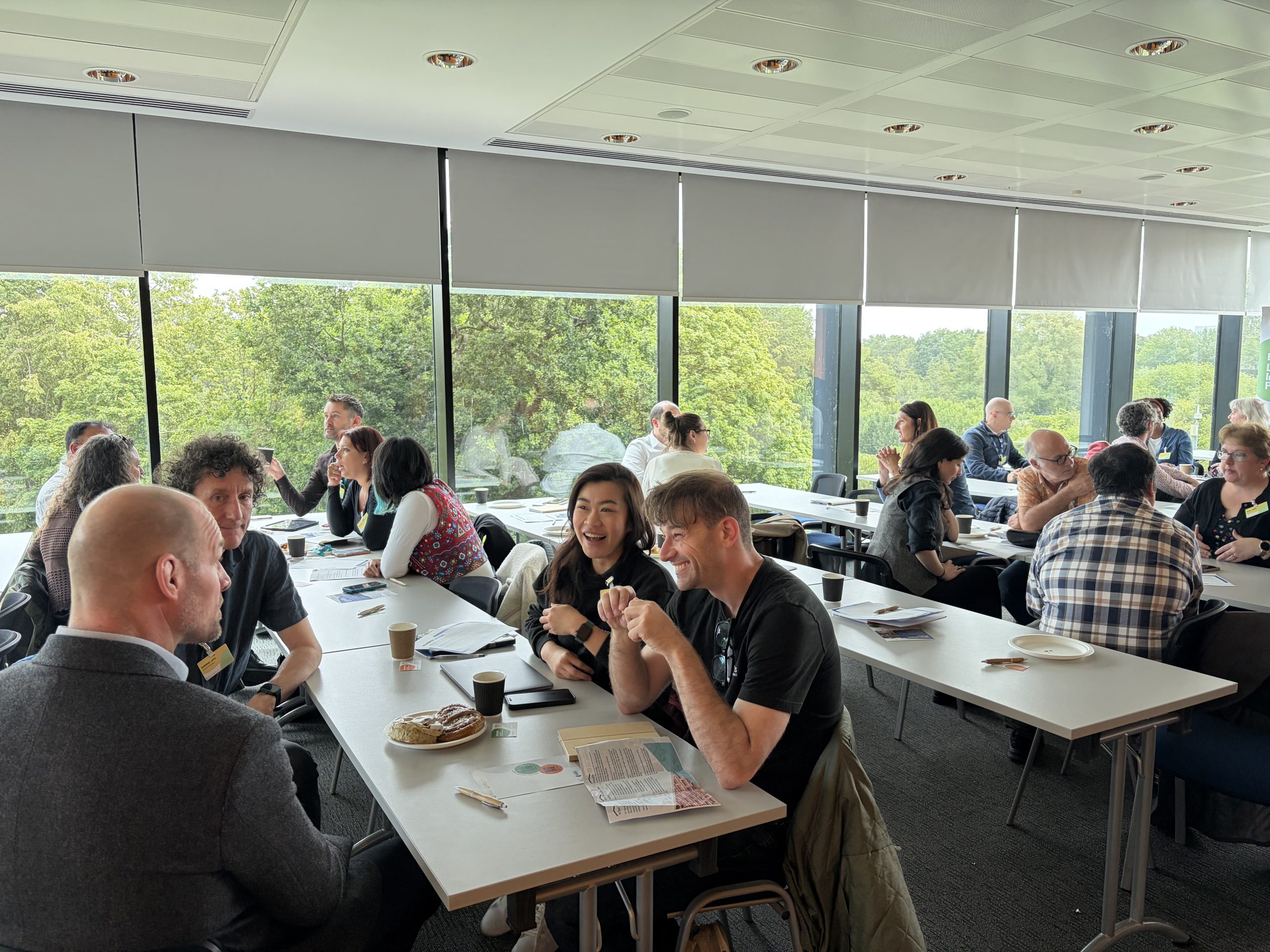
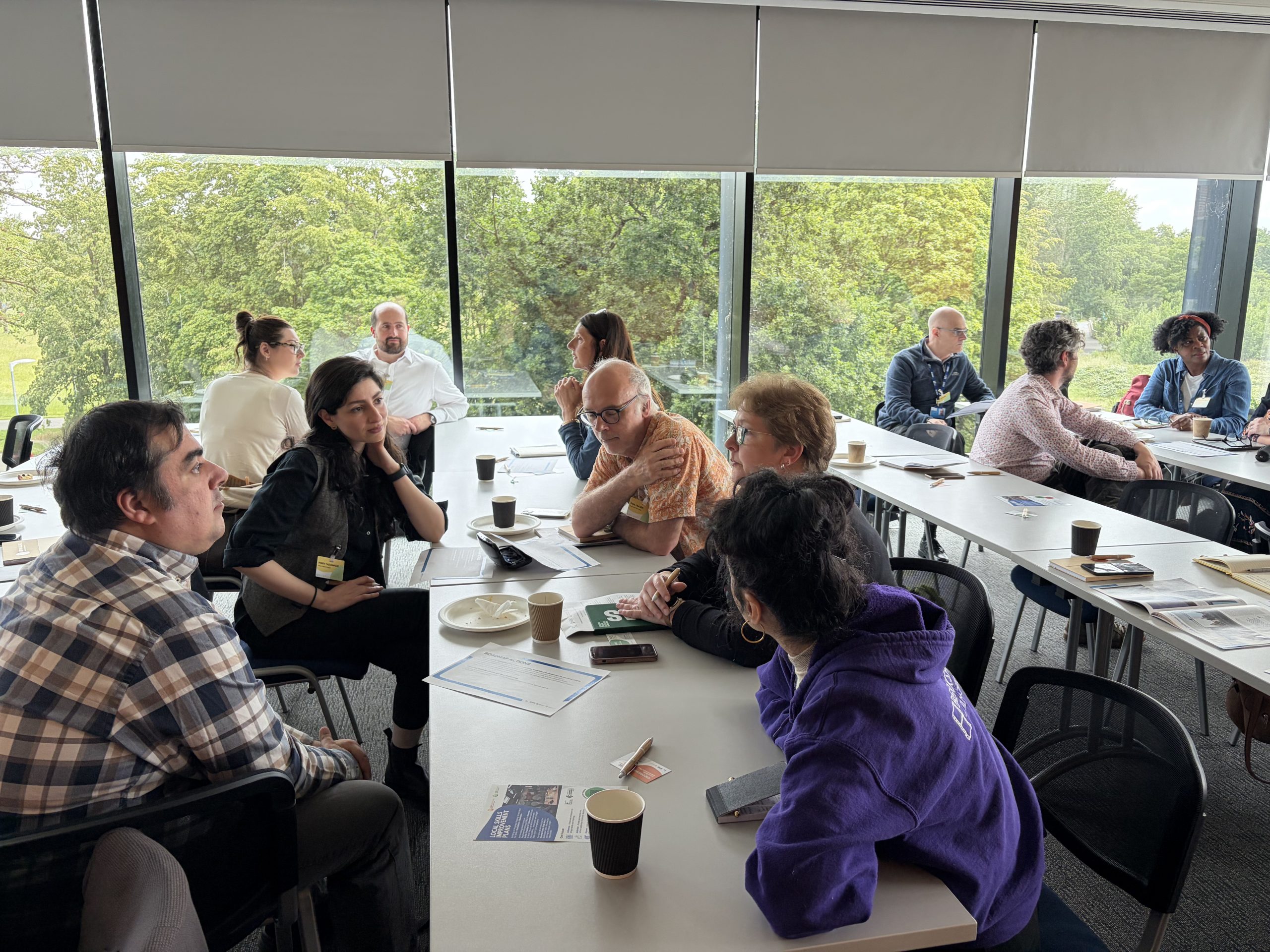
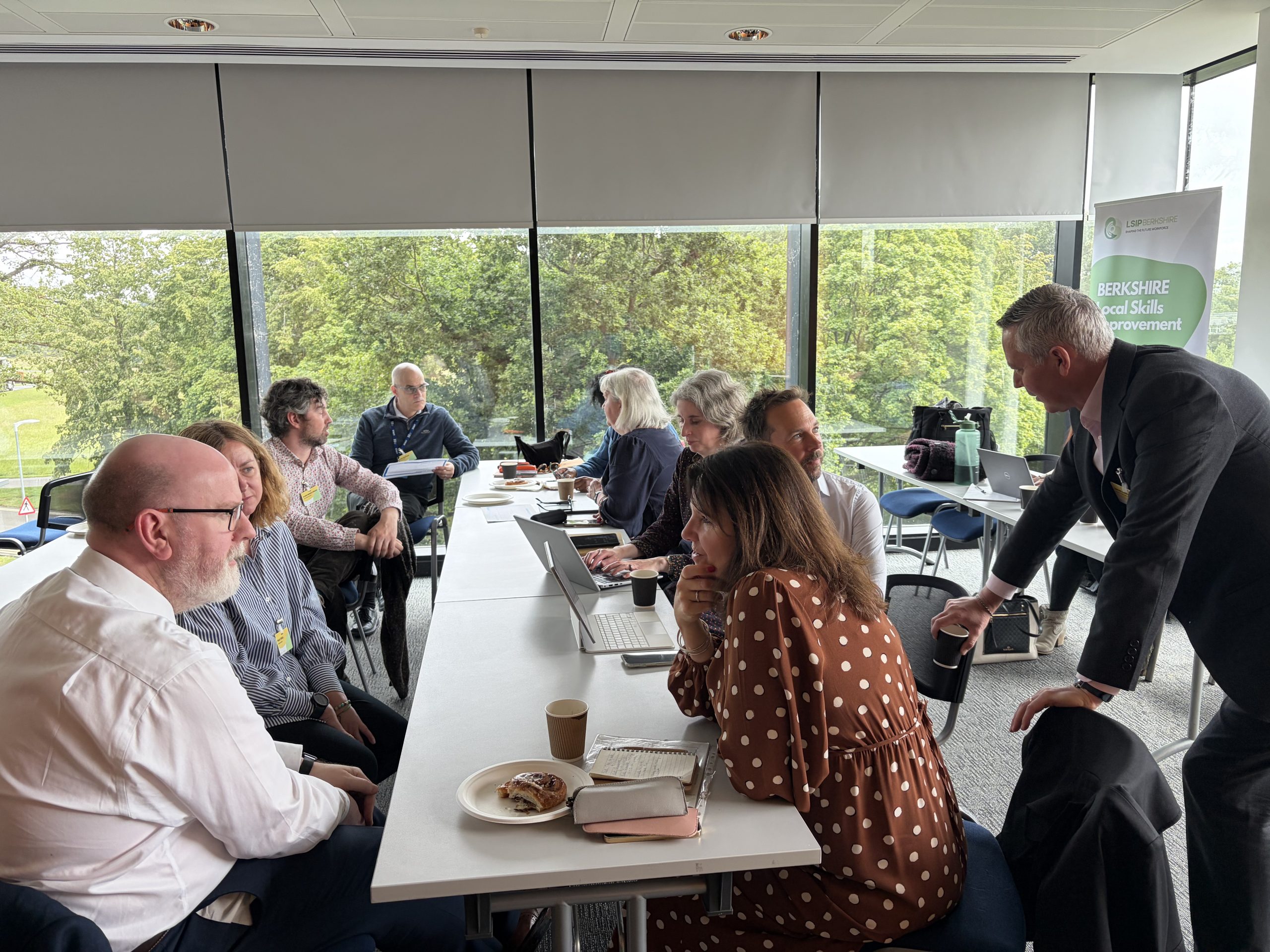
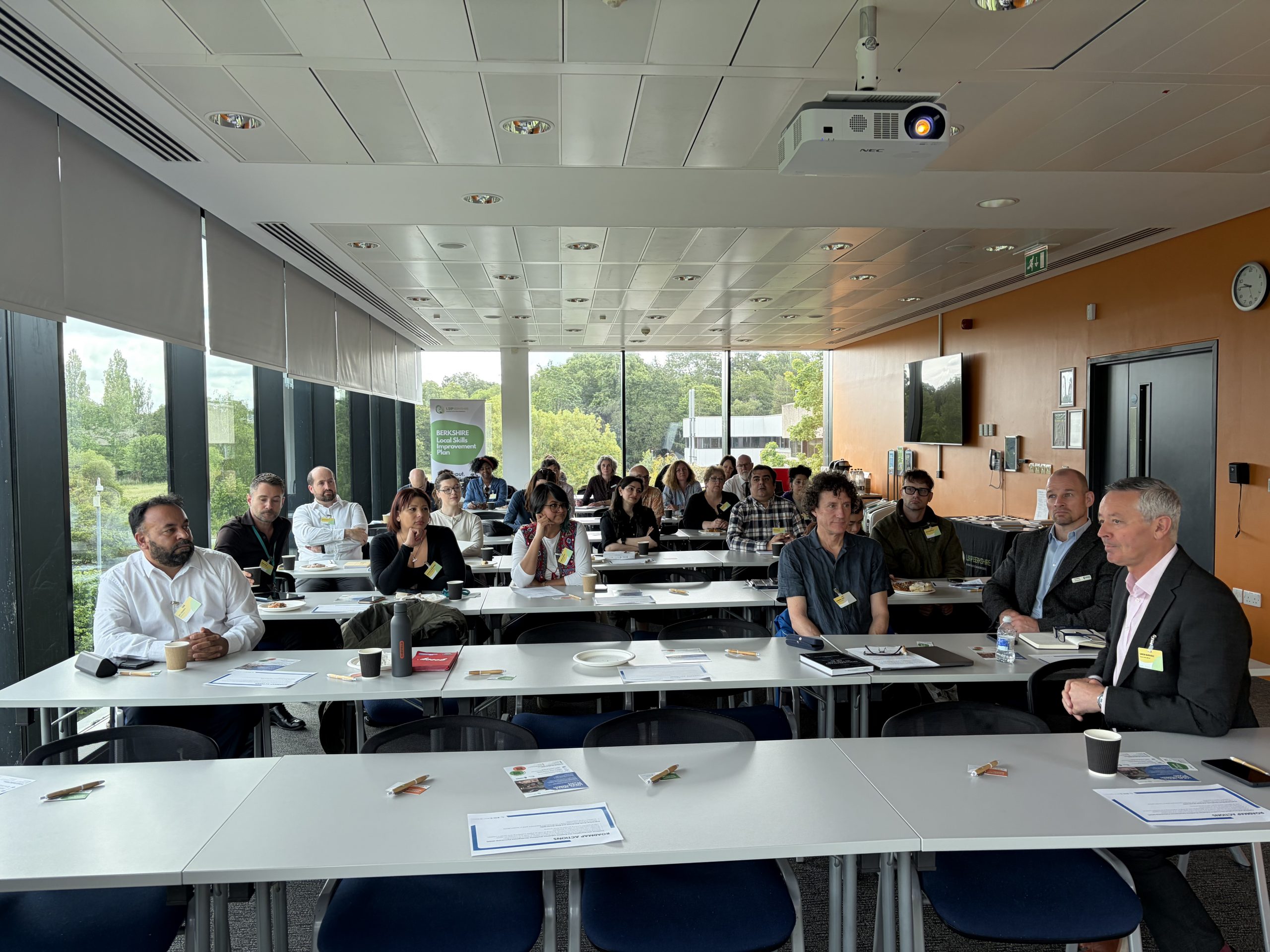
Employers, education providers and industry representatives from across Oxfordshire and Berkshire came together at the University of Reading on 9 June for the latest Creative Industries Workforce Development Partnership (WDP) meeting, helping to shape future workforce priorities for the region.
The meeting brought together stakeholders from across the creative sector, including screen, gaming, digital content, publishing, communications and education, to discuss workforce challenges, identify skills priorities and support delivery of the Local Skills Improvement Plan (LSIP).
A key focus of the discussion was ensuring education and training provision keeps pace with the rapidly evolving needs of the creative industries. Employers highlighted the importance of expanding industry placements, internships and project-based learning opportunities to help learners develop the practical skills and experience needed to succeed in the sector.
The growing impact of artificial intelligence and digital transformation was also identified as a major priority. Attendees discussed the need to embed AI skills, ethics and legal literacy into creative programmes, ensuring learners are equipped to work within an increasingly technology-driven industry while understanding the opportunities and challenges associated with emerging technologies.
The meeting also explored the importance of strengthening business and commercial skills across the sector. Employers highlighted the need for greater commercial awareness, entrepreneurial capability and resilience, particularly among freelancers, sole traders and small creative businesses.
An overview of the Screen Berkshire T Level Placement Programme demonstrated how employer-led placements and project-based learning can provide valuable real-world experience for learners while helping employers engage with future talent. The programme was recognised as a strong example of collaboration between education providers and industry and a model that could support workforce development more broadly.
Attendees also heard findings from the Screen Industries Voices research project, which has gathered insight from freelancers, employers and industry stakeholders to better understand the challenges facing the creative workforce. The research highlighted the importance of improving access to opportunities, strengthening support networks and developing clearer progression pathways into creative careers.
Employers also received an update on national skills policy developments, including the Growth and Skills Levy, apprenticeship reforms and the future Lifelong Learning Entitlement, all of which are expected to create more flexible opportunities for workforce development and upskilling.
The meeting concluded with agreement on a number of priority actions, including expanding work-based learning opportunities, embedding AI and future skills within curricula, strengthening employer-provider collaboration, enhancing business capability across the sector and ensuring employer feedback continues to shape local skills provision.
The Creative Industries Workforce Development Partnership will continue to bring employers and education providers together to ensure local skills provision remains responsive to industry needs and supports the development of a skilled and future-ready creative workforce across Oxfordshire and Berkshire.