
Work Ready Forum 2026: Turning Progress into Potential
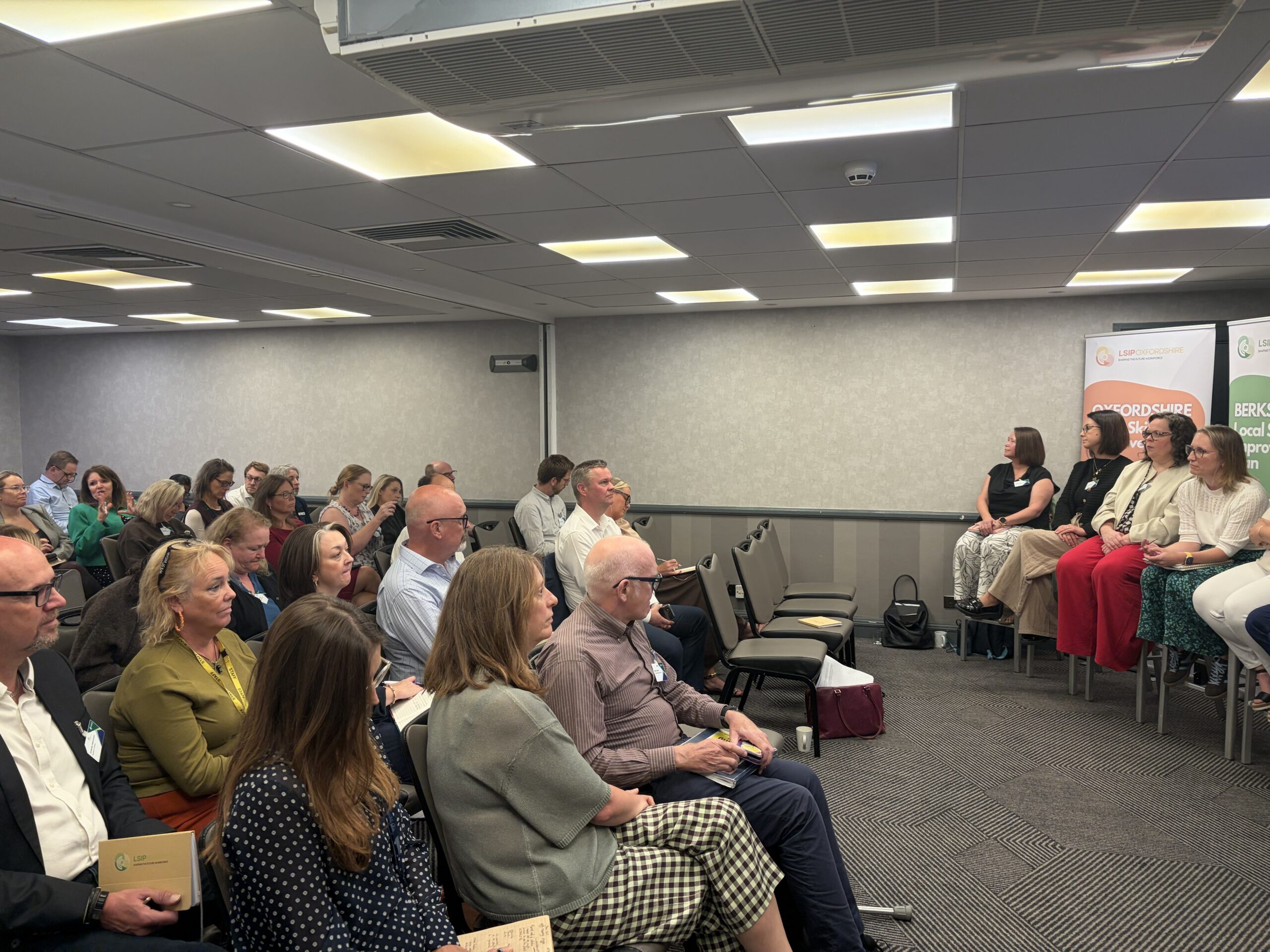
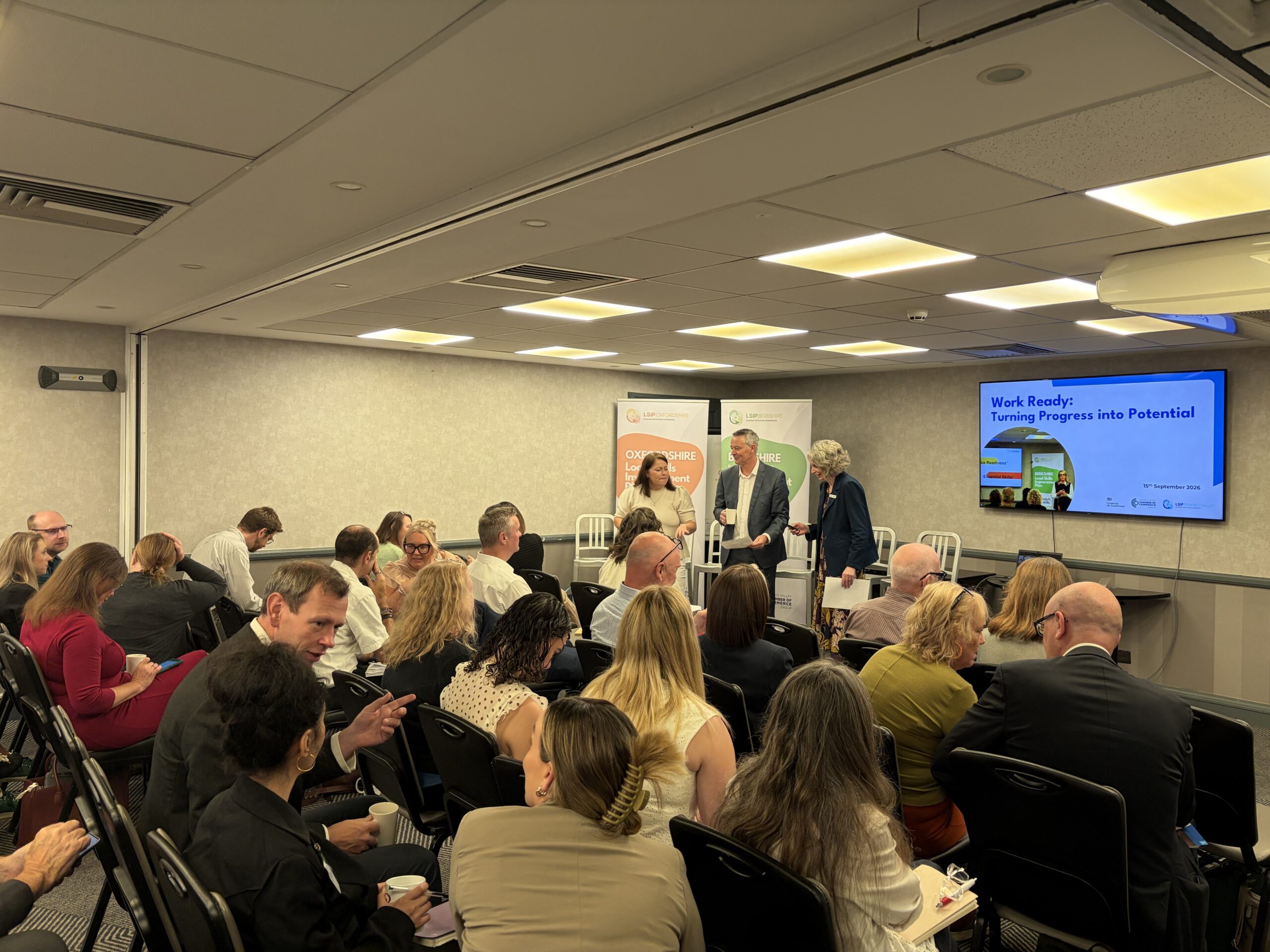
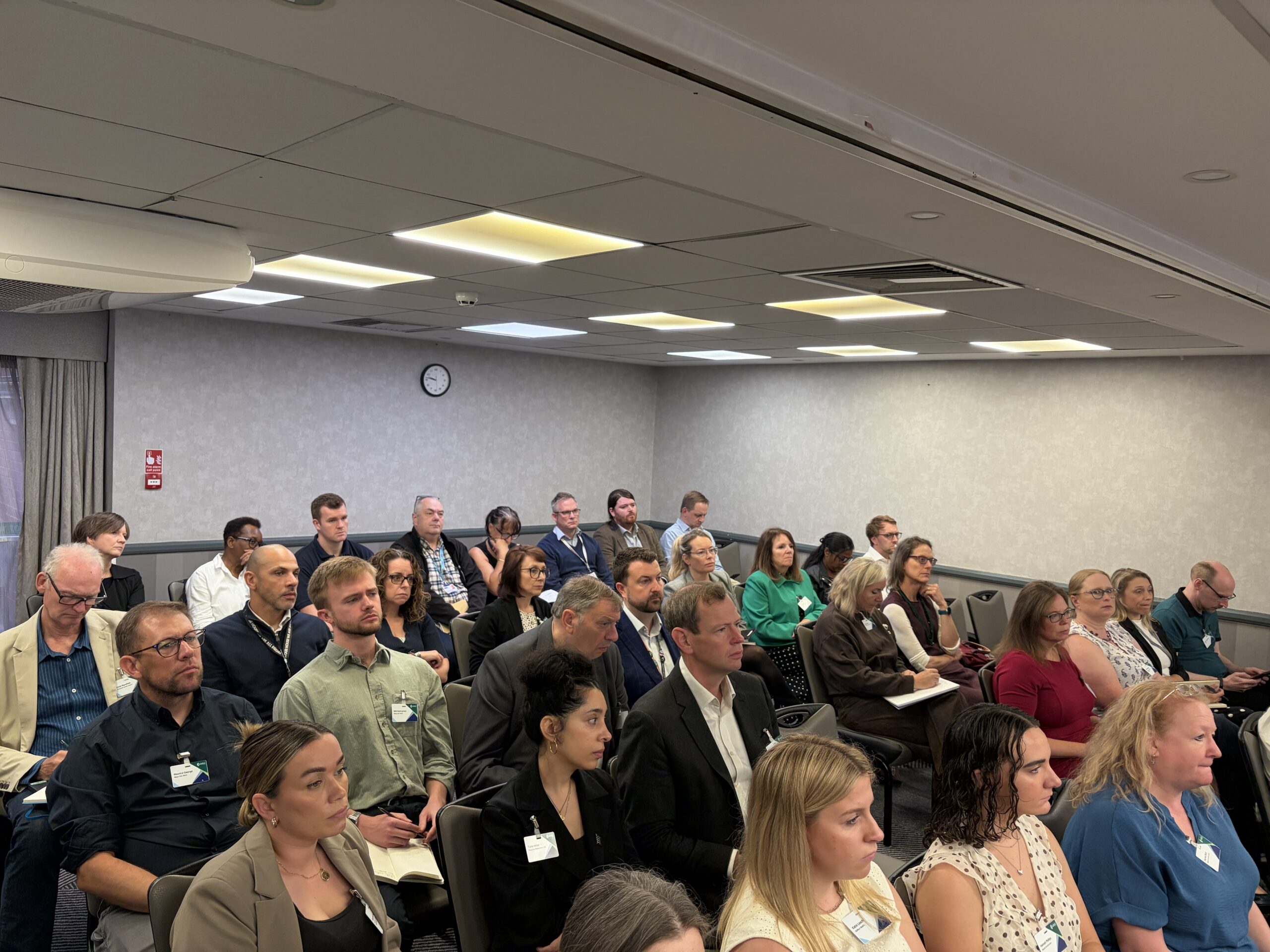
The Thames Valley Chamber of Commerce Skills Unit brought together employers, educators and partners from across Berkshire and Oxfordshire for the Work Ready: Turning Progress into Potential Forum, exploring one of the region’s most pressing challenges: how do we ensure people are truly ready for the workplace of today and tomorrow?
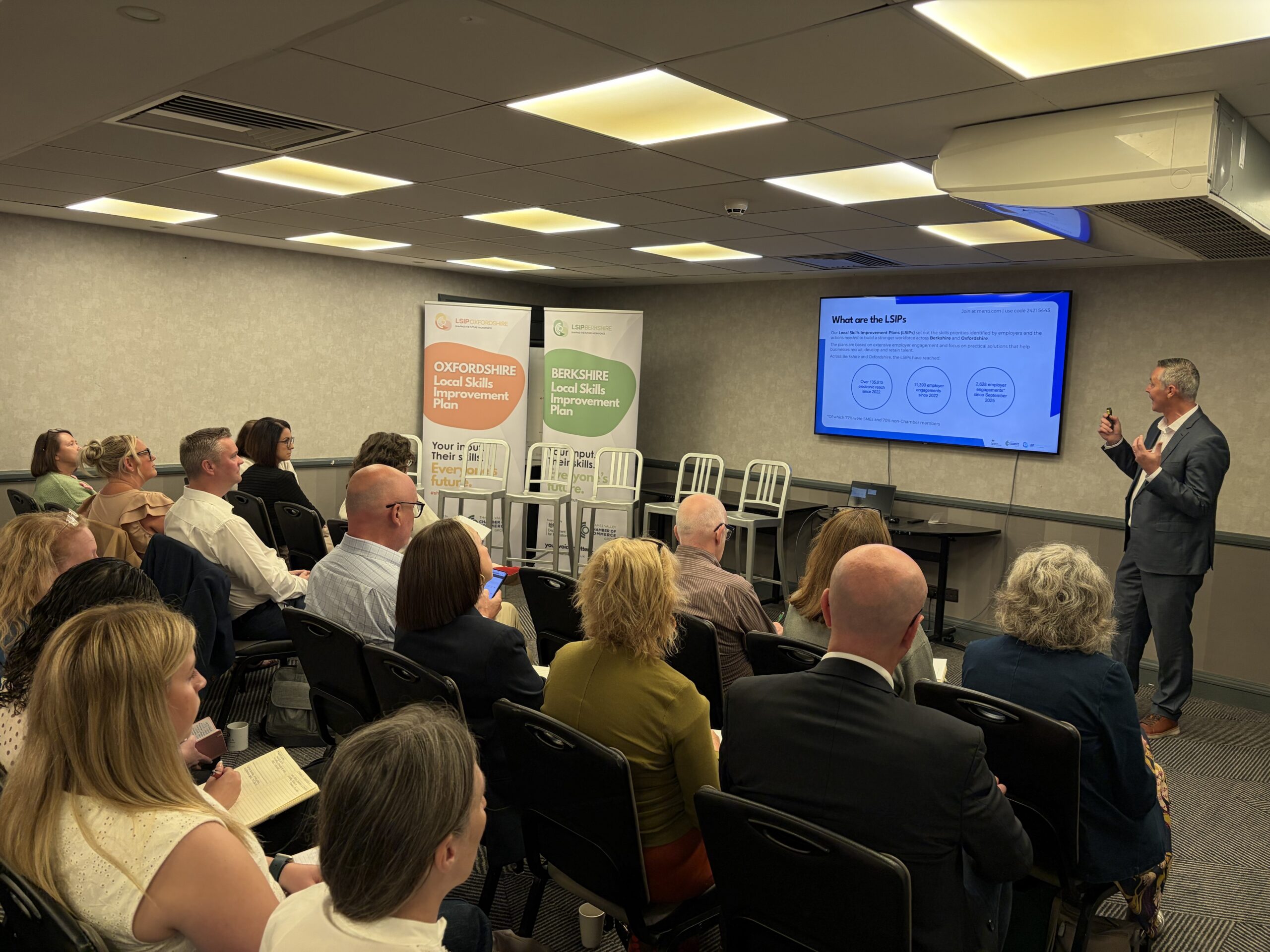
The forum highlighted the vital role of the Local Skills Improvement Plans (LSIPs), which are shaping skills priorities across the Thames Valley based on direct employer feedback. Since 2022, the LSIPs have achieved an electronic reach of more than 135,000 and engaged with over 11,000 employers, helping to identify the skills, behaviours and pathways needed to support a stronger workforce.
Speakers shared practical examples of how employers, education providers and partners are working together to improve work readiness. Topics included work experience, T Level placements, employability programmes, mentoring, apprenticeships, outreach activity and the development of transferable skills that employers increasingly value.
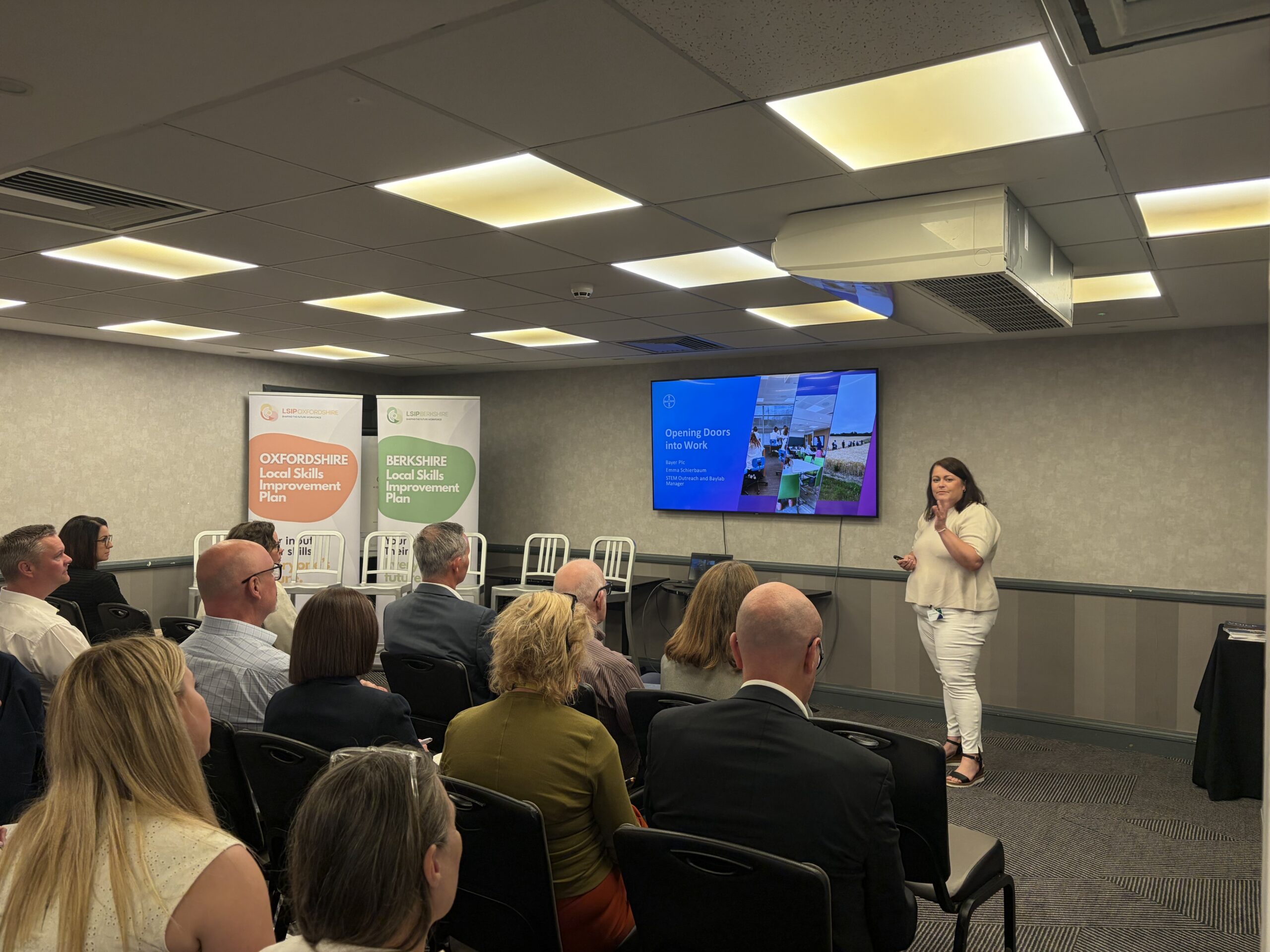
Dr Kate Webb challenged delegates to consider what “work ready” means in today’s labour market, while Emma Schierbaum (Bayer) explored how meaningful work experience can help break the cycle where young people struggle to gain experience because they cannot access opportunities. She highlighted the growing demand for placements and the benefits they bring to both individuals and businesses.
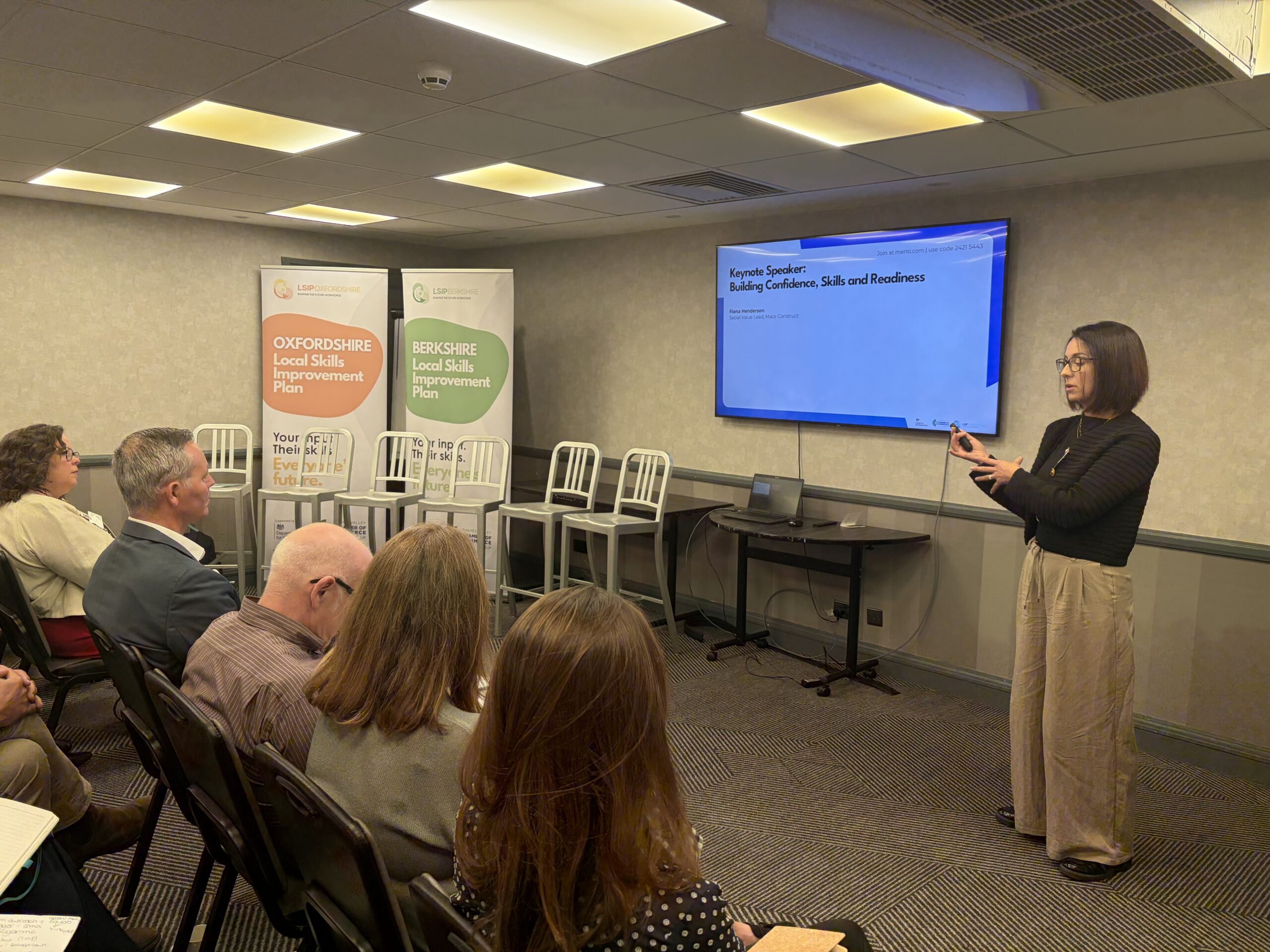
Fiona Henderson (Mace Construct) emphasised the importance of building confidence, skills and workplace behaviours through work experience, mentoring and careers support. She called for greater collaboration and earlier intervention to help young people prepare for employment.
Lucy Turner (Oxford Brookes University) focused on graduate readiness, exploring how universities are embedding transferable skills, live business projects and digital skills passports into the student experience. Her message was clear: education providers can build the skills, but employers remain essential in providing real-world opportunities that help students apply them.
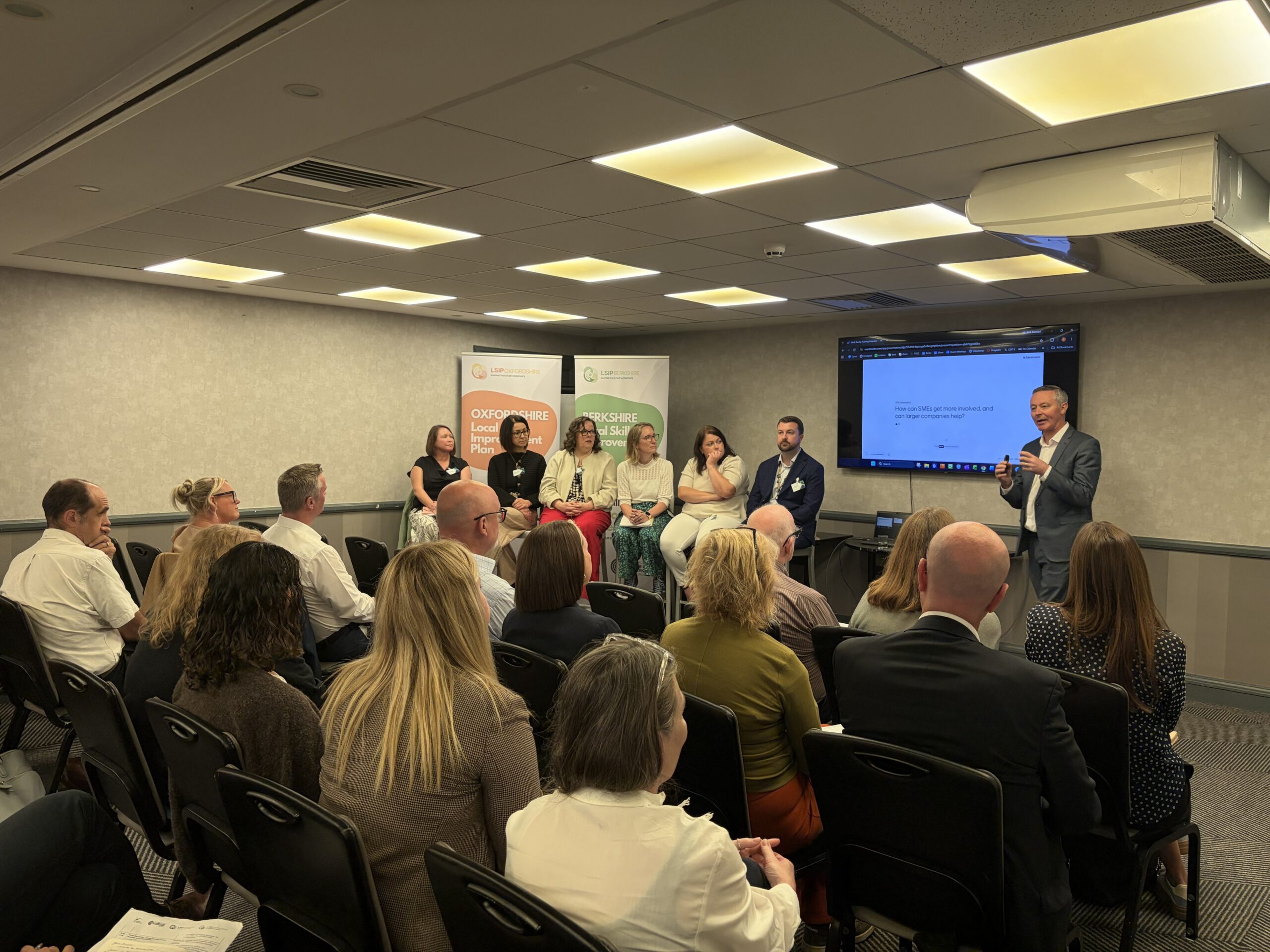
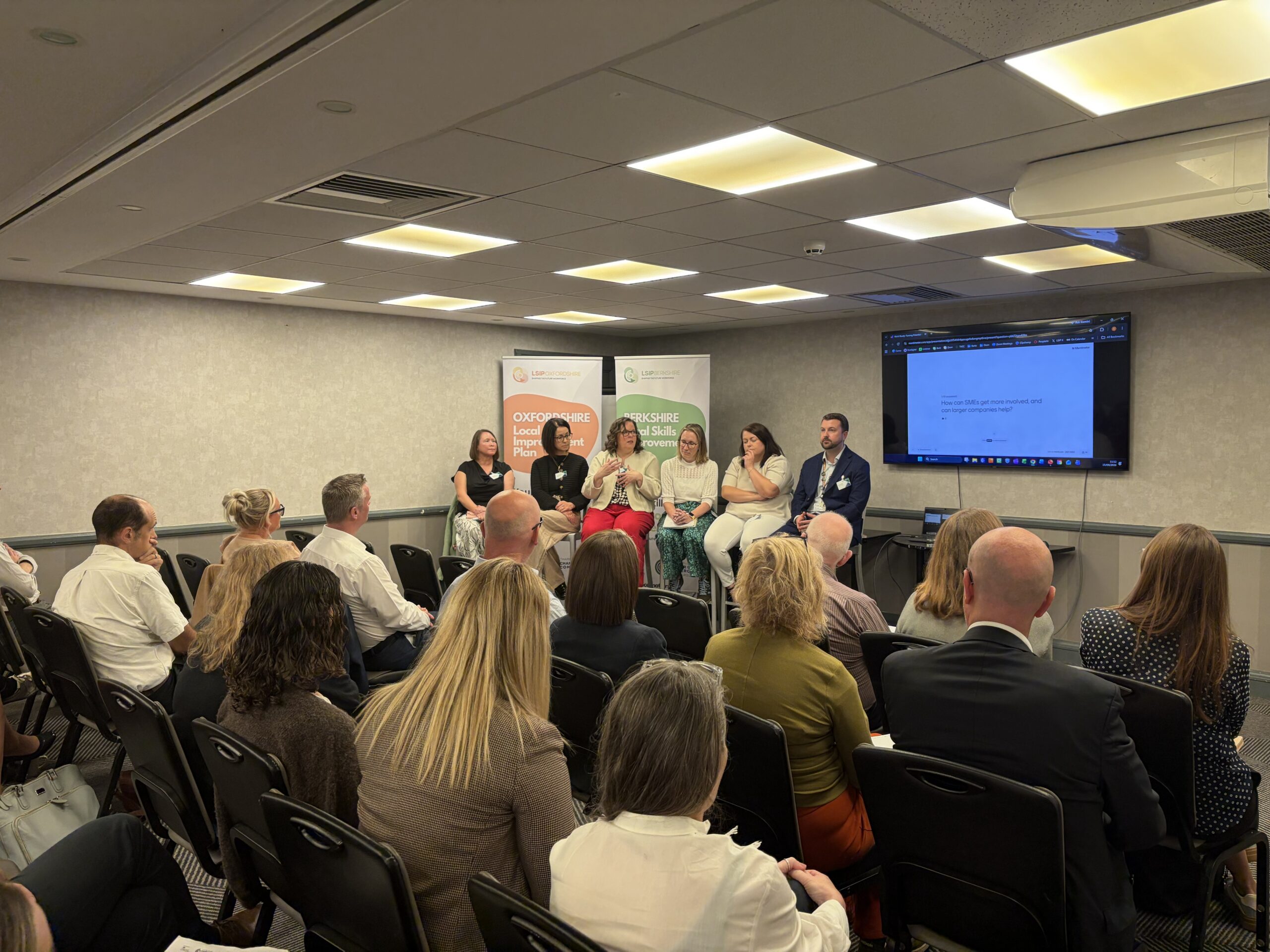
A panel discussion brought together representatives from employers, education and support organisations to discuss how existing initiatives such as Get Berkshire Working, Oxfordshire Works, T Levels and employer-led programmes can be strengthened through greater partnership working.
Delegates also explored practical actions that could be taken forward through the LSIP roadmap, including:
- Expanding structured industry placements and work experience opportunities
- Developing skills passports and recognised work readiness frameworks
- Increasing employer involvement in curriculum design
- Scaling successful shared work experience models
- Strengthening progression routes between education, training and employment
The forum reinforced a common message: improving work readiness is a shared responsibility. By working together, employers, educators and partners can help turn potential into opportunity and build the talent pipelines needed to support the Thames Valley’s future workforce.