


Hospitality and Visitor Economy Workforce Development Partnership Meeting
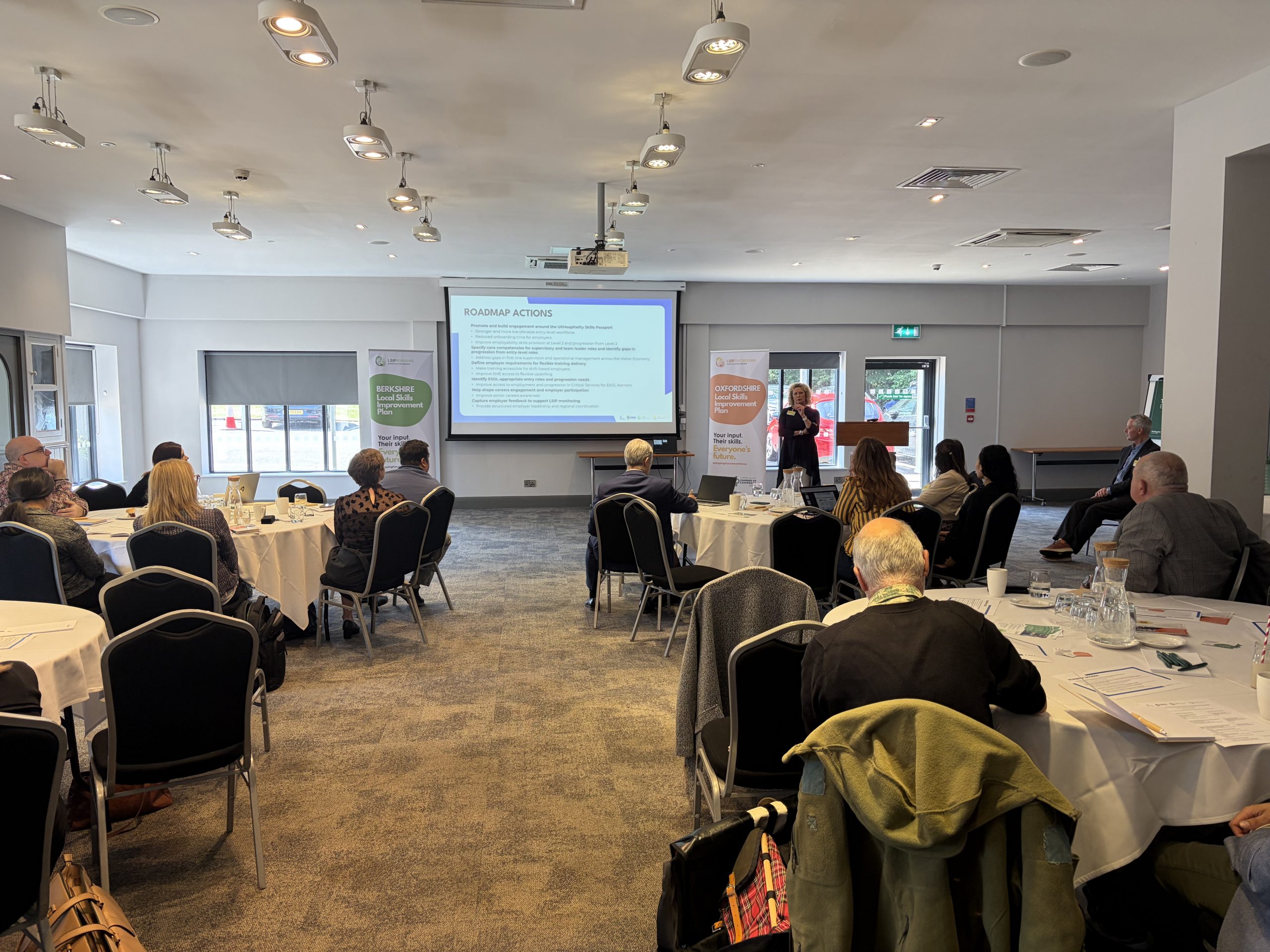
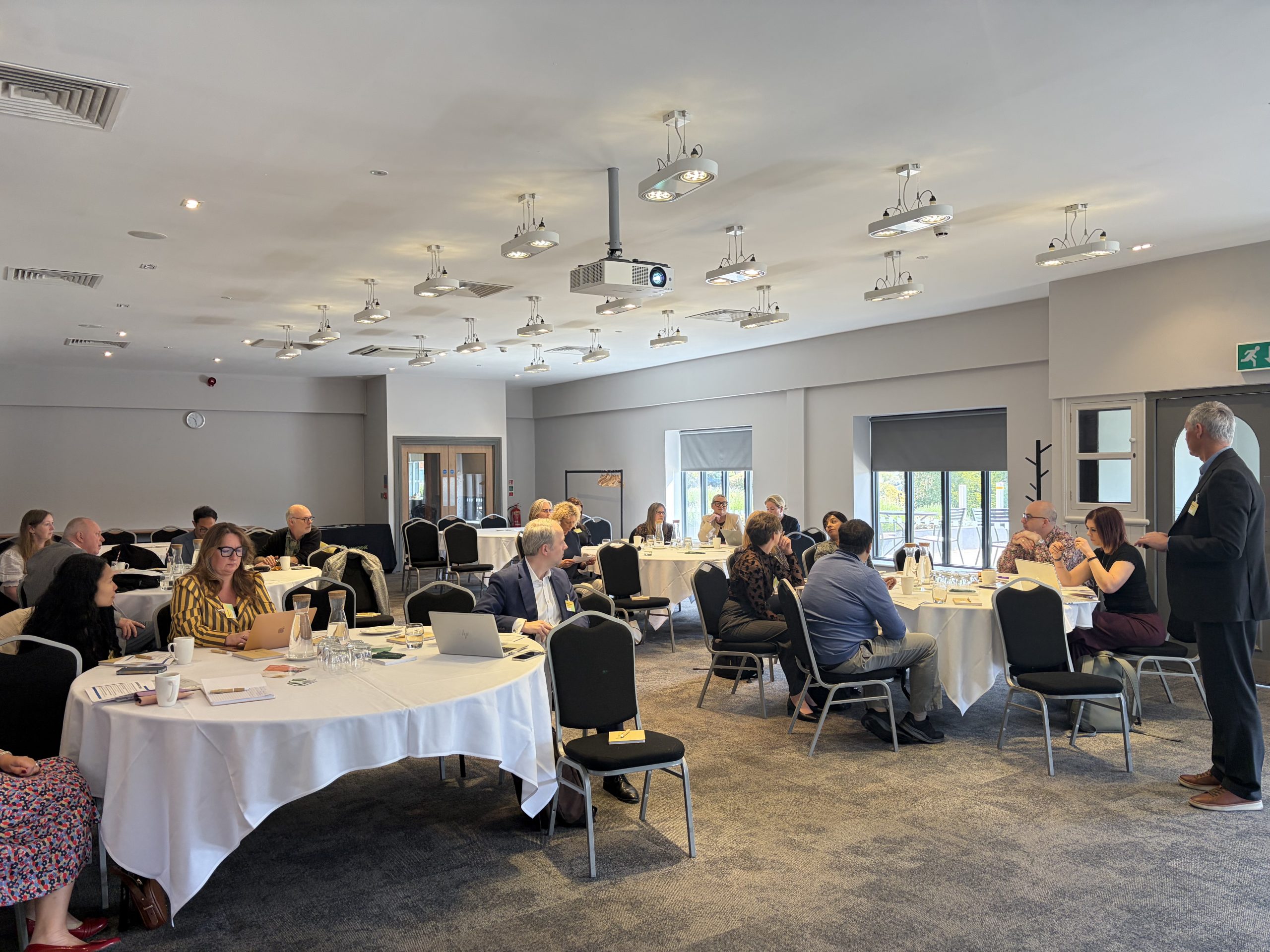
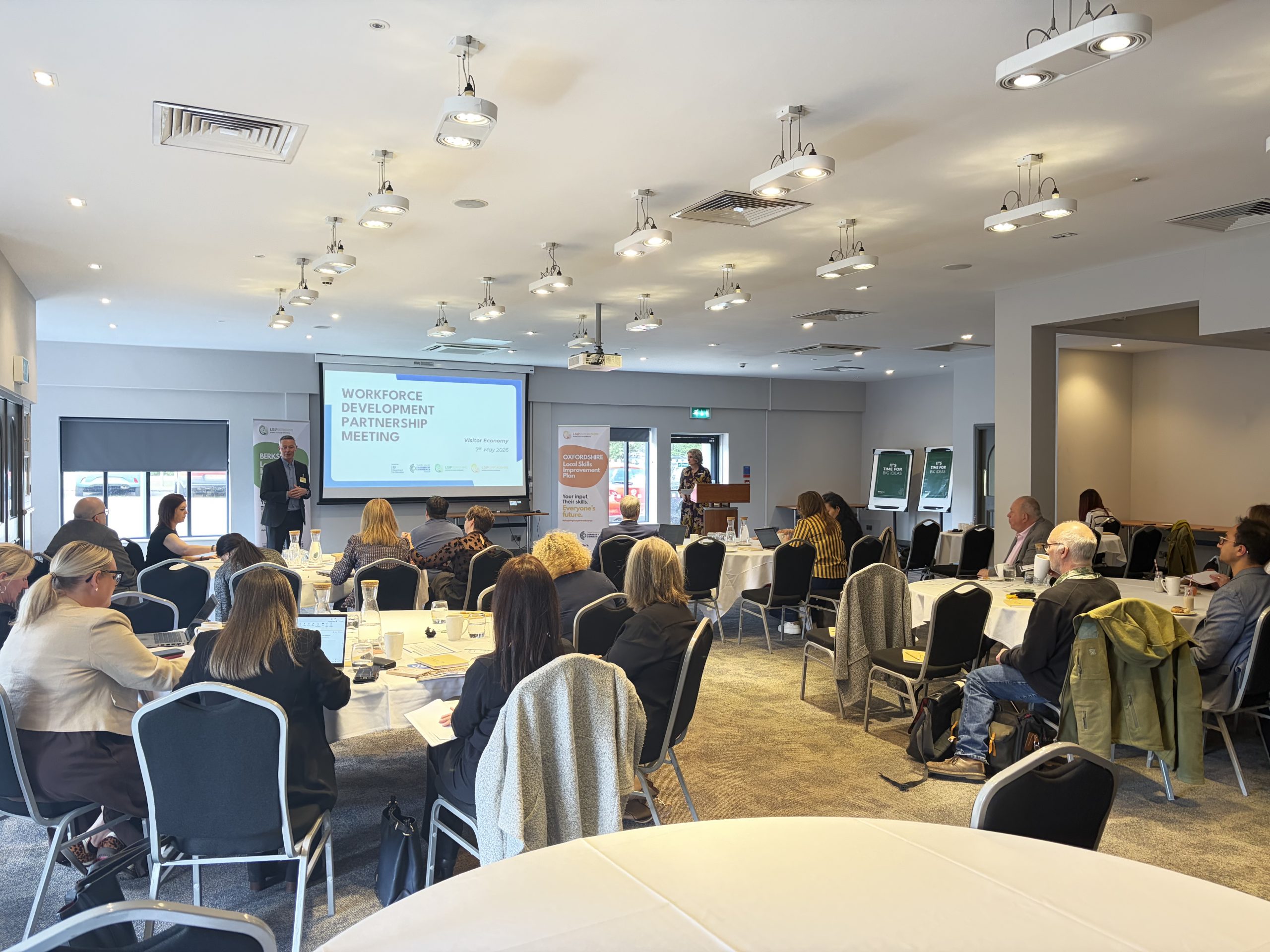
Employers from across Oxfordshire and Berkshire’s hospitality and visitor economy sector came together at the Hospitality & Visitor Economy Workforce Development Partnership (WDP) meeting on 7 May at the Holiday Inn Reading South to help shape future workforce priorities for the region.
The meeting brought together employers, training providers and sector partners to identify key workforce challenges, explore solutions, and support delivery of the Local Skills Improvement Plan (LSIP) and wider Critical Services Roadmap.
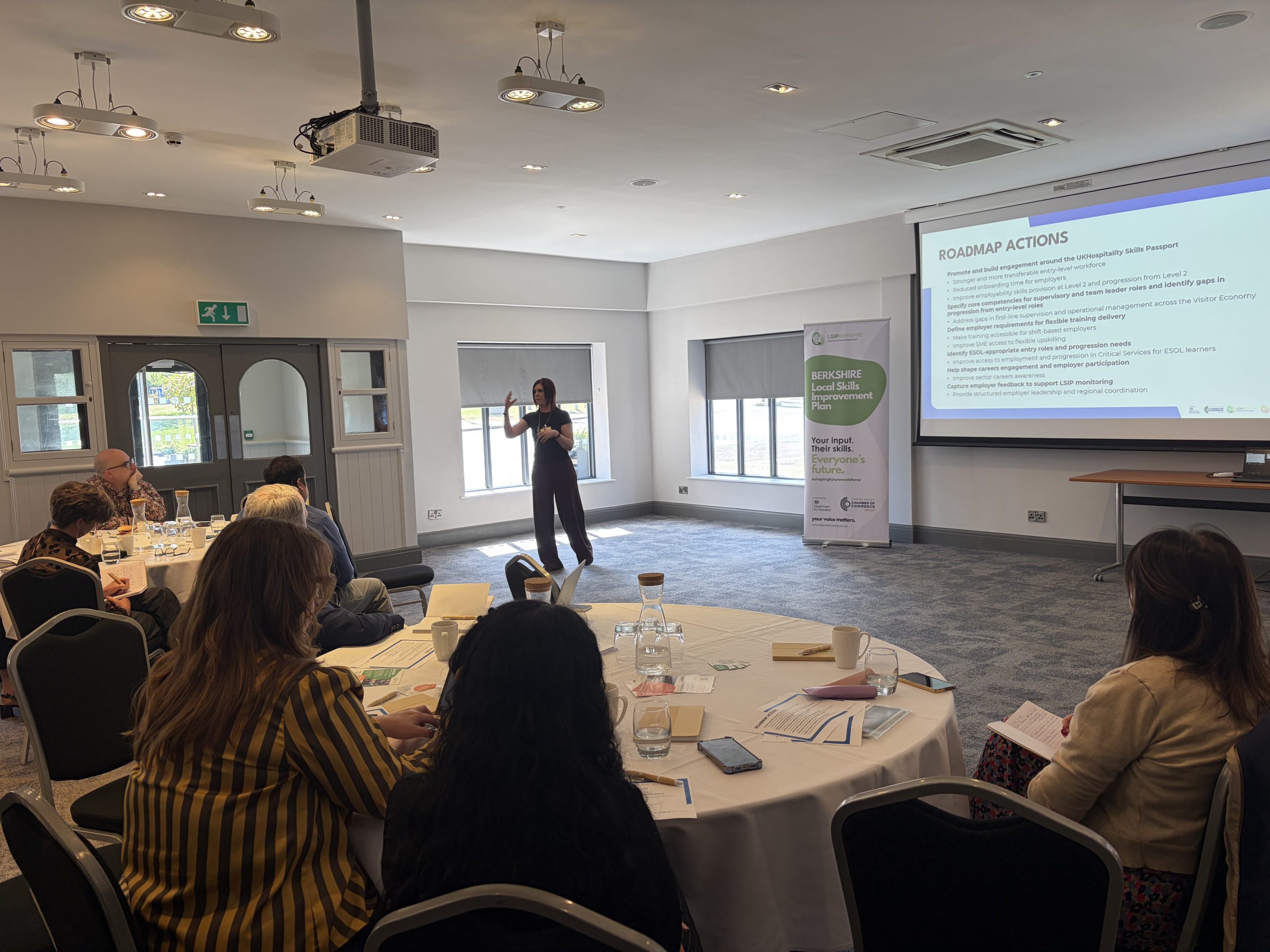
A major focus of the discussion was the proposed roadmap actions LSIP 2.0 will be working on such as ensuring training provision better reflects the realities of the hospitality sector. The roadmap highlighted the need for more flexible training options that work around shift patterns, particularly for SMEs, alongside stronger progression routes from entry-level roles into supervisory and management positions.
The development of the UKHospitality Skills Passport was identified as a key priority, with employers recognising its potential to strengthen entry pathways into the industry, improve transferable skills, and reduce onboarding time. The group also discussed the importance of improving employability provision at Level 2 and creating clearer pathways for career progression.
Discussion also centered around wider workforce challenges, including recruitment and retention pressures, barriers facing young people not in education, employment or training (NEET), and the need to improve awareness of careers in hospitality from an earlier age.
A presentation on the growing Hospitality Connect initiative highlighted how stronger collaboration between schools, colleges and employers can help build a sustainable future talent pipeline. The programme has already expanded significantly and was recognised as a strong example of employer-led workforce development in action.
Attendees also received an update on major national skills policy changes, including the introduction of the Growth and Skills Levy, apprenticeship reforms, and the future Lifelong Learning Entitlement, all of which are expected to create more flexible training opportunities for employers and learners.
The meeting concluded with agreement on a number of next steps, including increasing employer engagement, gathering further workforce data, promoting the Skills Passport, and continuing work to strengthen progression routes across the sector.
The Hospitality & Visitor Economy Workforce Development Partnership forms part of the wider Critical Services cluster and will continue to bring employers and providers together to ensure local skills provision remains responsive to industry needs.